
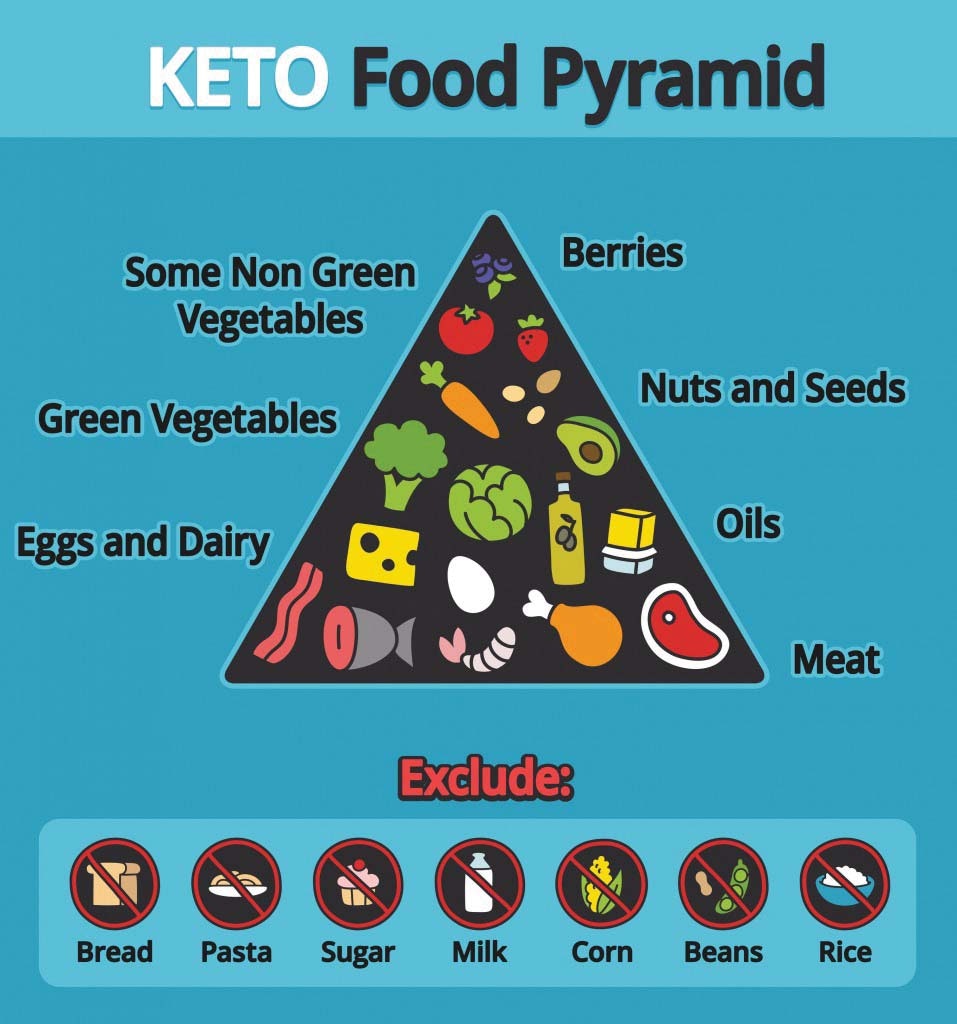
What is the Ketogenic Diet for Epilepsy?
Before it became a trendy weight-loss strategy, the ketogenic diet was a medical breakthrough. Developed in 1921 at the Mayo Clinic, the "keto" diet was specifically designed to treat epilepsy in children. Today, it remains a powerful, research-backed tool for people whose seizures don't respond to traditional medication.
Unlike the fads often seen on social media, the medical ketogenic diet is a strict, high-fat, low-carbohydrate, and controlled-protein regimen. Its goal is to shift the body’s primary fuel source from glucose (sugar) to ketones (fats).
The Different Versions
Because the "Classic" diet is so restrictive, researchers have developed more flexible versions that offer similar benefits:
- Classic Keto: A strict 4:1 ratio (4 grams of fat for every 1 gram of protein and carbs combined).
- Modified Atkins Diet (MAD): Less restrictive, allowing for more protein and no calorie limits, making it a popular choice for adults and teens.
- Low Glycemic Index Treatment (LGIT): Focuses on "slow-burning" carbs rather than total elimination.
Does it Actually Work?
Research consistently shows that for the 30% of people with "drug-resistant" epilepsy, the diet can be life-changing.
- Significant Reduction: Studies show that over 50% of children on the diet experience a significant reduction in seizures.
- Seizure Freedom: About 10% to 15% of children become completely seizure-free after starting the diet.
- Cognitive Benefits: Many families report "the keto fog lifting," where patients feel more alert and have better focus, regardless of the seizure count.
How Does It Work? (The Science)
While we don't have a single answer, researchers believe the diet works through several "neuroprotective" pathways:
- Fuel Efficiency: Ketones may provide a more stable and efficient energy source for brain cells than glucose.
- Calming the Brain: The diet increases the production of GABA, a chemical messenger that helps "quiet" overactive brain signals.
- Reducing Inflammation: High fat metabolism produces fewer "reactive oxygen species," which can reduce brain inflammation.
Important: It’s a Medical Prescription
If you or a loved one is considering this for epilepsy, it is vital to remember: This is a medical treatment, not a DIY project. The diet must be monitored by a neurologist and a specialized dietitian. Because it changes the body's chemistry, it requires regular blood tests to check for side effects like kidney stones, high cholesterol, or nutrient deficiencies.